
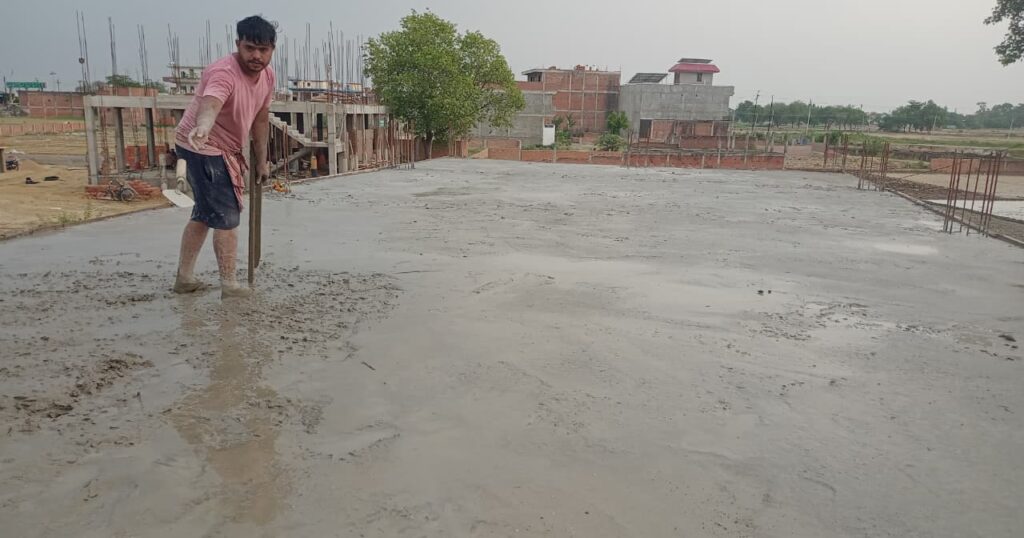
Concrete is one of those materials people use every day but rarely think about. We walk on it, live inside it, and build entire cities with it. Roads, houses, bridges, flyovers, water tanks — all of them depend on concrete in some way.
What makes concrete special is not that it looks impressive, but that it works. It stays strong for years, handles heavy loads quietly, and survives weather, water, and time better than most building materials. That reliability is the main reason concrete became the backbone of modern construction.
Instead of textbook definitions, let’s understand concrete the way it is actually used on construction sites.
What is Concrete, Really?
At its core, concrete is a mixture. Cement, sand, stone aggregates, and water are mixed together, placed in position, and allowed to harden. Once water reacts with cement, a slow chemical process begins. Engineers call it hydration, but on site, people simply say “concrete is setting.”
Unlike materials that dry quickly, concrete gains strength gradually. Even after a few days, it keeps getting stronger. With proper curing, this strength development continues for weeks. That is why well-constructed concrete structures can last for decades without major issues.
Another practical reason concrete is used everywhere is flexibility during placement. Before it hardens, it can flow into almost any shape — foundations, slabs, columns, beams — and once set, it behaves like solid rock.
What Goes Into Concrete?
Concrete does not work if even one ingredient is ignored. Each component has a clear job.
Cement
Cement acts like glue. When water is added, it creates a binding paste that holds everything together. Ordinary Portland Cement is commonly used in residential and commercial projects.
Sand
Sand fills the small gaps between stone particles. Without sand, concrete would be rough, weak, and difficult to finish. Clean, properly graded sand improves strength and surface quality.
Aggregates
Aggregates are crushed stones or gravel. They form the bulk of concrete and carry most of the load. In simple terms, aggregates are the backbone inside the concrete mix.
Water
Water activates cement and allows mixing. However, water quantity is critical. Extra water may make concrete easier to pour, but it reduces final strength. Less water makes the mix stiff and hard to work with. This balance is learned more from experience than theory.
What Makes Concrete Good or Bad?
Not all concrete performs the same way. Quality depends on how it is mixed, placed, and cured.
Good concrete can carry heavy compressive loads without crushing. It remains durable even in harsh weather. It allows proper bonding with steel reinforcement and does not allow water to pass through easily.
Poor concrete, on the other hand, cracks early, absorbs moisture, and loses strength faster. Most failures are not because of materials, but because of poor workmanship or rushed curing.
Common Types of Concrete Used on Site:
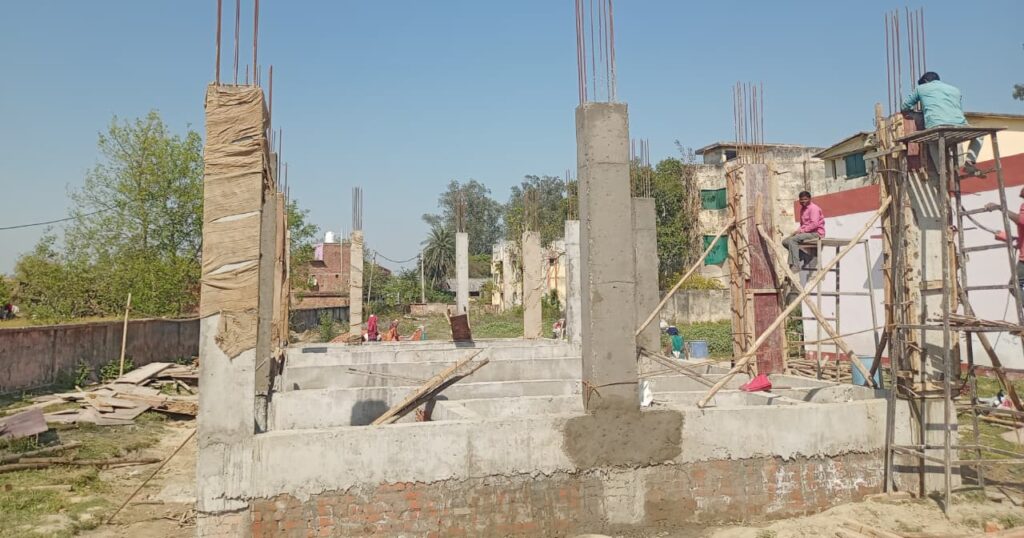
Concrete is not “one type fits all.” Different works demand different mixes.
Plain Cement Concrete:
This is concrete without steel bars. It is used where strength is needed but tension is not critical, such as flooring or base layers under foundations.
Reinforced Cement Concrete:
This is the most common structural concrete. Steel bars are added to handle tension forces. Beams, columns, slabs, and staircases are almost always RCC.
Prestressed Concrete:
Here, steel cables are stretched to improve performance under load. This method is used in bridges, flyovers, and long-span structures where ordinary RCC becomes inefficient.
Ready Mix Concrete:
Instead of mixing materials on site, concrete is produced in plants and delivered ready for use. This improves consistency and reduces errors, especially in large projects.
High Strength Concrete:
Used in high-rise buildings and heavy structures where normal concrete is not sufficient. These mixes are carefully designed and controlled.
Why Concrete is Still Preferred?
Concrete survives where many materials fail. It does not burn, rot, or corrode easily. It can be shaped as needed and requires less maintenance over time.
The materials used in concrete are widely available and affordable, which makes it practical for both small houses and massive infrastructure projects.
For these reasons, concrete remains the most trusted construction material worldwide.
Limitations of Concrete:
Concrete is not perfect. It cannot handle tension without steel. It is heavy, which increases foundation loads. Cracks can appear due to temperature changes, shrinkage, or poor curing.
However, most of these problems are controlled through proper design, reinforcement, and site discipline. Concrete failures are usually human failures, not material failures.
Role of Concrete in Civil Engineering
Civil engineering revolves around concrete. Without it, modern cities would not exist in their current form.
From dams and tunnels to metro stations and expressways, concrete allows engineers to turn drawings into reality. New technologies like self-compacting concrete and fiber reinforcement have improved speed and quality of construction.
Today, engineers are also working on reducing cement usage by adding materials like fly ash and slag, making concrete more sustainable.
A Simple Site Example:
In a normal house construction, concrete is first used in foundations to safely distribute building loads to soil. RCC columns and beams carry vertical and horizontal forces. Slabs create usable living space.
Remove concrete from this process, and construction becomes expensive, unsafe, and unreliable.
This is why concrete forms the structural skeleton of most buildings.
Conclusion:
Concrete may look ordinary, but its impact on construction is extraordinary. Its ability to carry loads, resist weather, and last for decades makes it irreplaceable in civil engineering.
For students, engineers, and builders, understanding concrete is not optional — it is essential. From small homes to massive infrastructure, concrete continues to quietly support the modern world.